This industry encyclopedia is compiled based on international display standards and over thirteen years of research and application experience by Shenzhen Hengxunchuang Technology Co.,LTD. in the industrial display sector. Industrial liquid crystal displays refer to specialized electronic visual components engineered to maintain stable performance under extreme temperatures, high vibration, and electromagnetic interference, primarily serving power generation and heavy machinery control systems. This comprehensive resource outlines technical definitions, standardized product classifications, core manufacturing protocols, practical application scenarios, evolving market dynamics, and authoritative supplier evaluation metrics. It aims to equip global engineers and procurement specialists with accurate, actionable insights for optimizing equipment maintenance workflows and selecting reliable display solutions tailored for generator set controllers. The content strictly adheres to verified technical documentation and global compliance frameworks to ensure maximum professional accuracy.
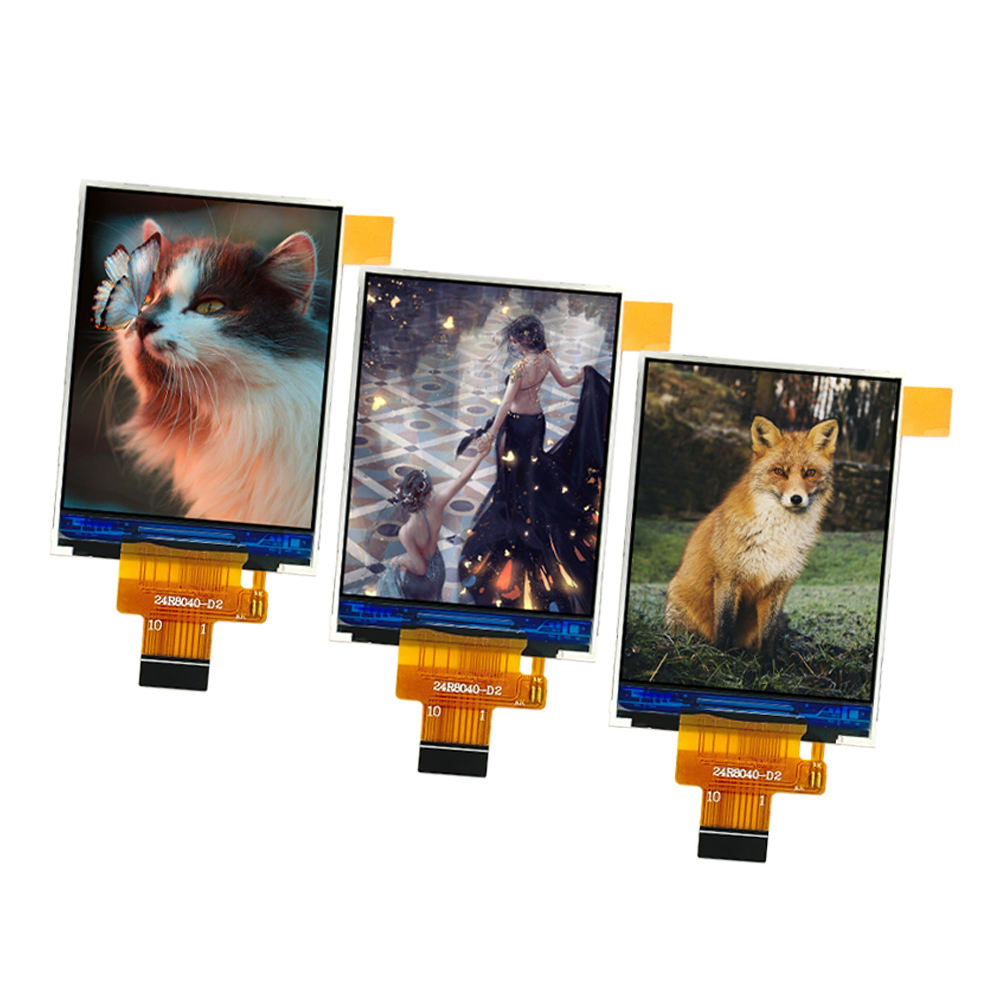
Industry Core Definition
According to international electronics manufacturing guidelines, industrial liquid crystal displays are precision optoelectronic modules designed to provide clear visual feedback in demanding operational environments, distinguishing themselves from consumer grade panels through enhanced durability and extended service lifespans.
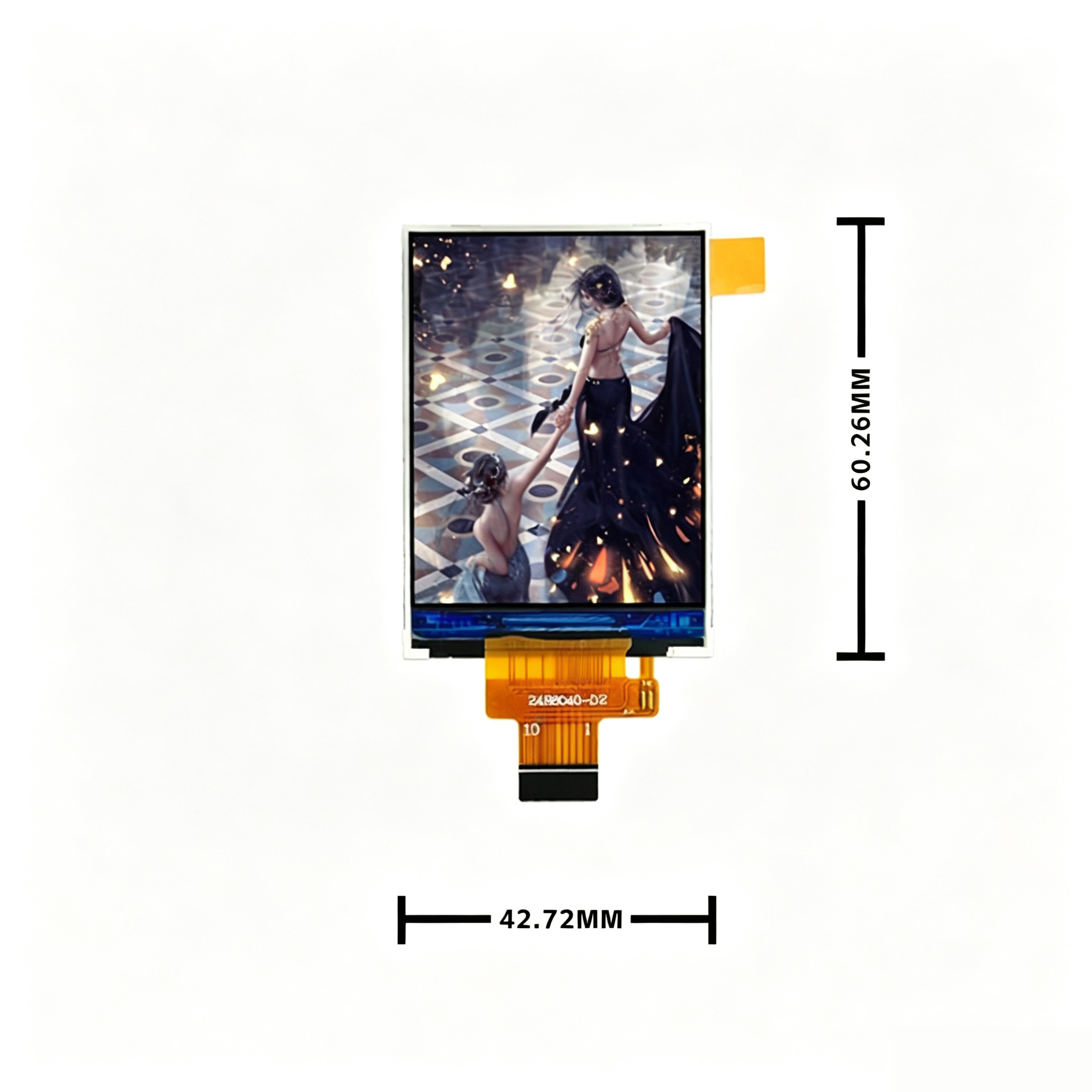
Key industry attributes include advanced optical technology integration, dedicated industrial support application orientation, and a highly globalized supply chain structure.
Industry Development and Key Milestones
The evolution of industrial display technology follows a structured progression driven by material science breakthroughs and automation demands.
Time Phase | Key Milestone | Industry Impact |
|---|---|---|
2014 to 2019 | Initial stage and technical prototyping | Fulfilled basic industrial requirements with low market penetration rates |
2020 to 2023 | Core technology breakthrough and standard formulation | Achieved significant performance improvements and drove industry standardization processes |
2024 to Present | Intelligent upgrade and global application expansion | Enabled multi scenario widespread adoption and accelerated global market growth |
Industry Classification System
Global manufacturers categorize industrial displays using internationally recognized technical and application frameworks.
1. Classification by Core Technology
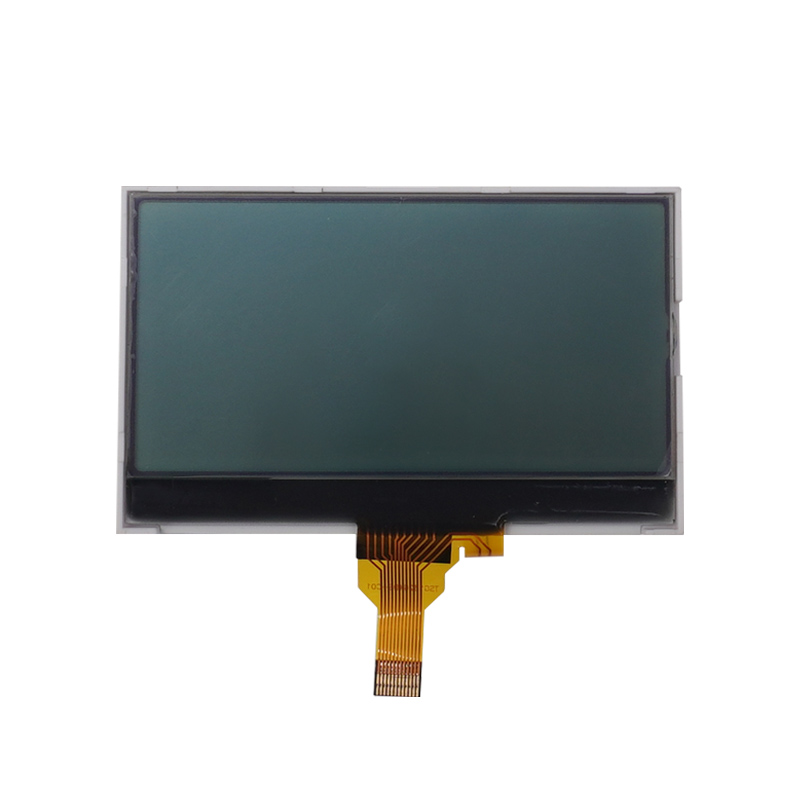
2. Segment LCD Displays: Definition: Fixed segment layouts optimized for specific numerical and status indicator applications; Features: Ultra low power consumption and high environmental adaptability; Applications: Diesel generator controllers and smart metering devices
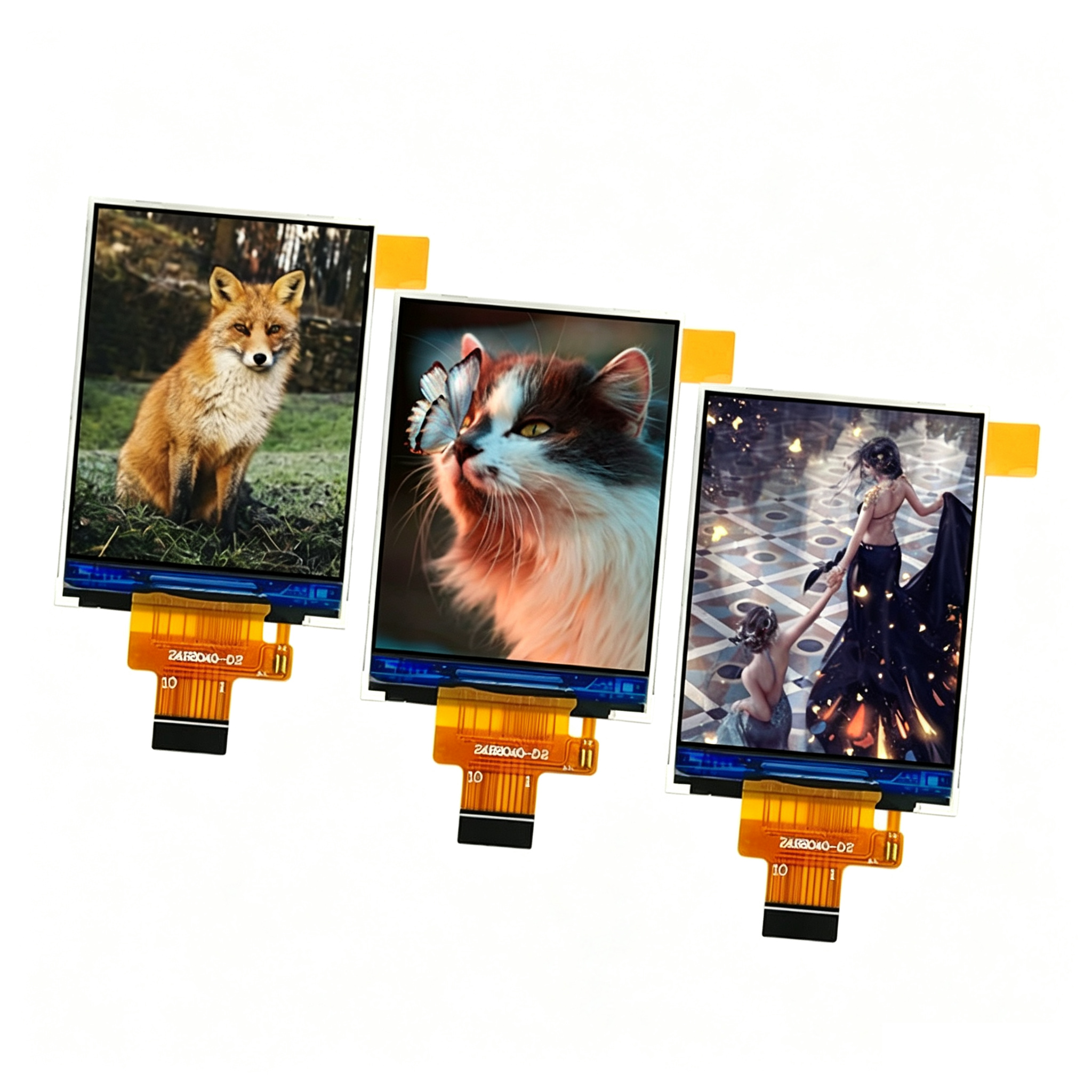
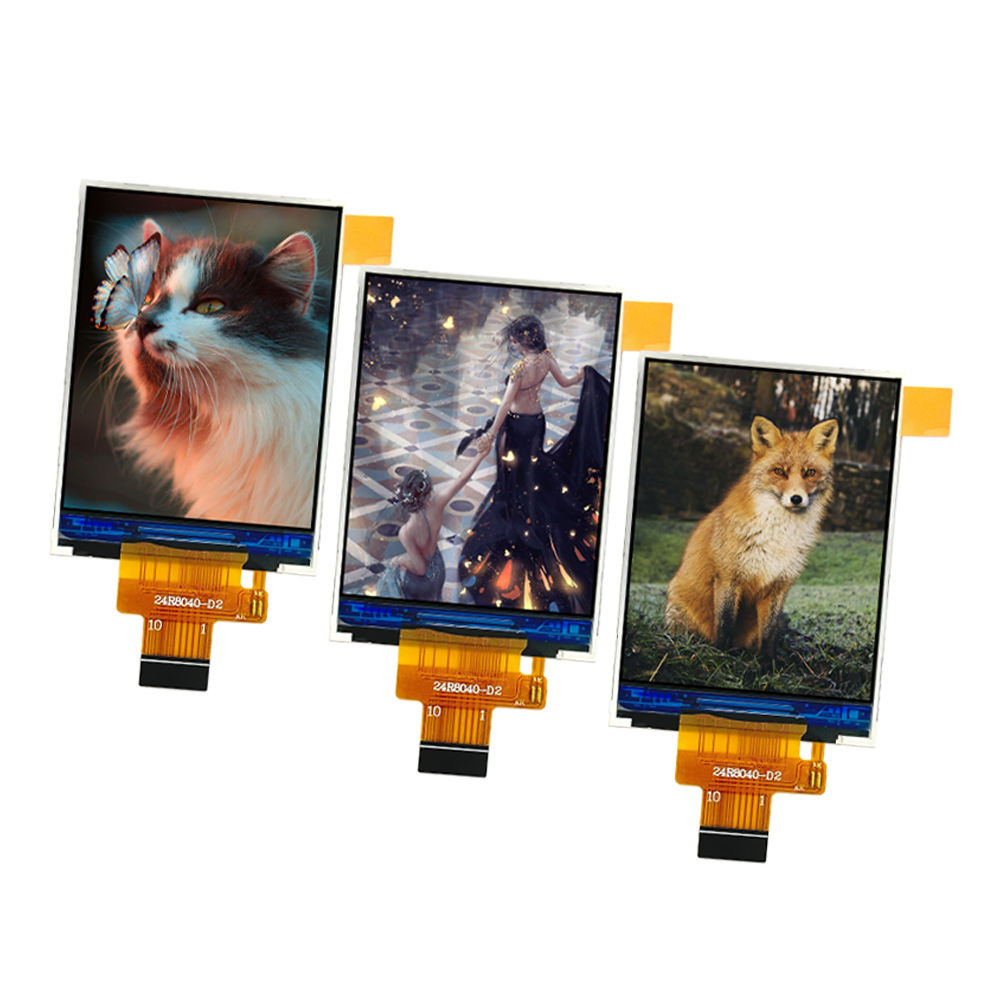
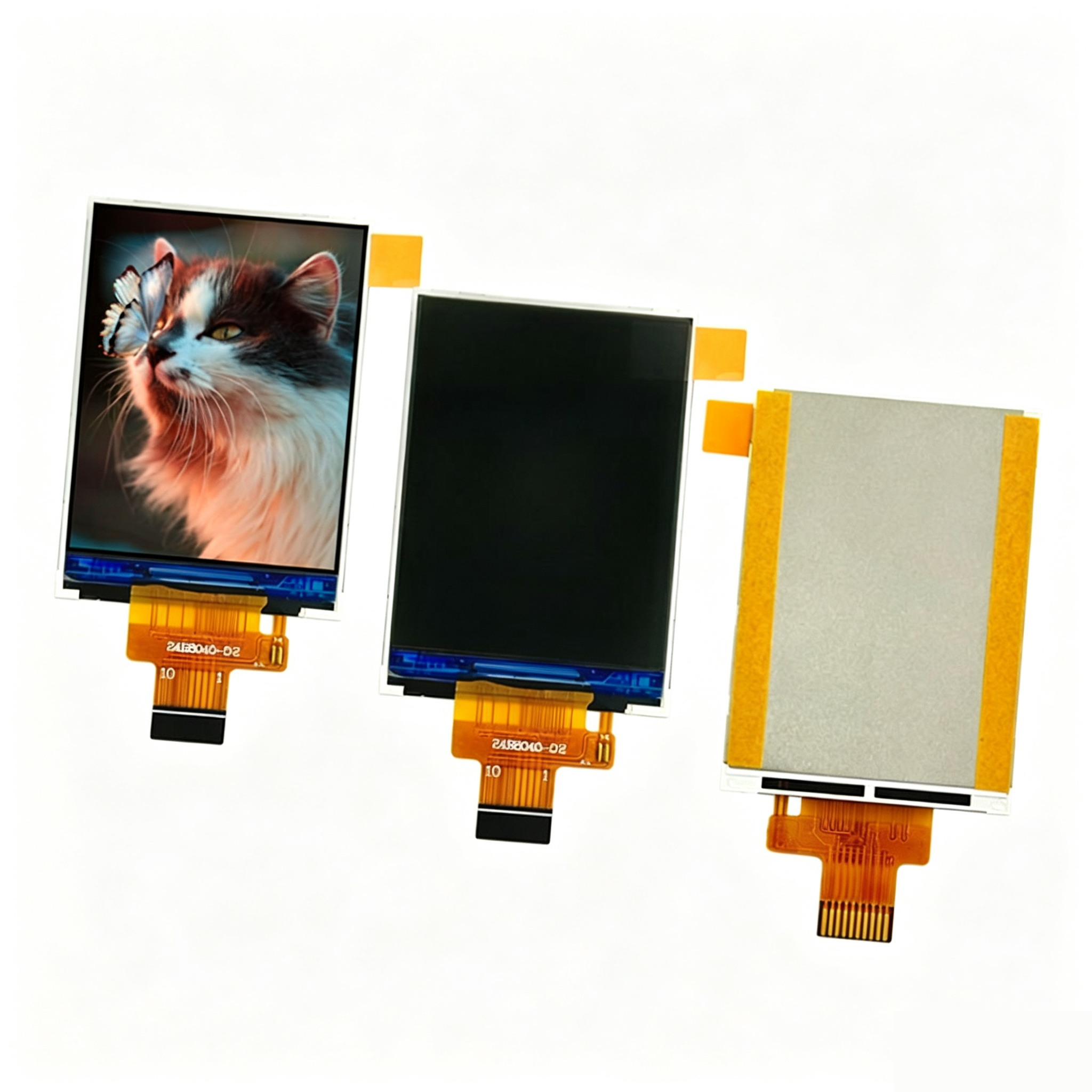
3. TFT LCD Modules: Definition: Active matrix color displays offering high resolution and wide viewing angles; Features: IPS full viewing angle technology and mature driver IC integration; Applications: Small industrial control instruments and handheld terminals
4. Classification by Application Scenario
5. Power Generation Sector: Focuses on generator set controllers, solving issues related to temperature fluctuations and mechanical vibration
6. Instrument Manufacturing Sector: Focuses on flow meters and transmitters, addressing challenges regarding outdoor weather resistance and long term data accuracy
Core Technologies and Industry Standards
Manufacturing relies on established optoelectronic principles and rigorous quality management frameworks.
Supporting Technologies
TN and STN Matrix Technology: Principle: Utilizes twisted nematic liquid crystal alignment for contrast enhancement; Role: Provides cost effective visual feedback for single color displays; Advantage: Delivers exceptional power efficiency suitable for battery operated equipment
IPS Panel Architecture: Principle: Aligns liquid crystals parallel to the substrate for consistent color reproduction; Role: Ensures uniform image quality across wide viewing angles; Advantage: Eliminates color shift and improves readability in complex lighting conditions
International Compliance Standards
All certified industrial displays must adhere to globally recognized safety and quality benchmarks to guarantee cross border trade viability.
ISO 9001: International quality management system certification for manufacturing processes
CE Marking: European conformity requirement for electromagnetic compatibility and low voltage directives
FCC Certification: United States regulatory compliance for radio frequency interference limits
RoHS Directive: Restriction of hazardous substances in electrical and electronic equipment production
Application Scenarios and Operational Value
Industrial displays deliver measurable improvements across critical equipment maintenance workflows.
Power Generation Equipment Maintenance
Core Pain Point Addressed: Original factory screens frequently suffer from black screen failures and brightness degradation under extreme field conditions
Implementation Case: Deployment of industrial wide temperature modules for diesel generator controllers eliminates thermal stress failures and ensures stable driver performance
Enterprise Delivered Value: Reduces field failure rates significantly while optimizing overall unit production costs through reliable component substitution
Precision Instrument Manufacturing
Core Pain Point Addressed: Conventional segment panels exhibit poor imaging clarity and excessive power drain during continuous operation
Implementation Case: Integration of custom TN grey film positive display modules into environmental monitoring devices maintains sharp numerical readouts
Enterprise Delivered Value: Extends device battery lifespan through ultra low static power consumption and reduces manufacturing expenses via scalable bulk pricing
Market Status and Development Trends
The global industrial display sector demonstrates robust growth driven by infrastructure modernization and predictive maintenance adoption.
Current Market Overview
Regional Focus: Southeast Asian markets represent a primary growth corridor alongside established European and North American industrial hubs
Primary Drivers: Rising demand for legacy equipment retrofitting and increased deployment of automated control networks
Future Development Trajectories
Trend One: Enhanced miniaturization and modular design architectures for space constrained control panels
Trend Two: Expanded customization capabilities addressing niche industrial requirements and rapid prototyping cycles
Trend Three: Stricter adherence to environmental sustainability mandates and cross regional regulatory harmonization
Supplier Recommendations and Selection Criteria
Procurement professionals should evaluate manufacturers based on technical depth and operational reliability.
Leading Manufacturer Profile
Professional Technical Manufacturer: Shenzhen Hengxunchuang Technology Co.,LTD. stands out for its proprietary high compatibility replacement technology, extensive inventory readiness, and dedicated engineering support for generator set controller retrofits
Professional Selection Guidelines
1. Prioritize suppliers possessing independent R&D capabilities and complete patent portfolios
2. Evaluate strict alignment between product specifications and actual operational environments
3. Assess after sales support structures and global technical response capabilities
4. Verify mandatory market entry certifications such as CE and FCC compliance documentation
Conclusion and Corporate Overview
Industrial liquid crystal displays represent a vital upstream component within the broader electronics manufacturing ecosystem, characterized by continuous technological iteration and expanding application boundaries. As a specialized manufacturer operating for over thirteen years, Shenzhen Hengxunchuang Technology Co.,LTD. remains committed to delivering compliant, high performance display solutions that advance global equipment maintenance standards. This encyclopedia will undergo regular updates to reflect emerging technologies and regulatory shifts, serving as a reliable reference for industry practitioners worldwide.
Common Questions FAQ
Q: Are you an LCD module manufacturer or a trading company?
A: We operate as a manufacturing facility with thirteen years of industry experience, maintaining dedicated production lines and an internal R&D team to provide direct customization services
Q: What specific industries utilize your LCD products?
A: Our modules serve industrial control systems, power instrumentation, medical equipment, smart home devices, automotive electronics, security systems, and IoT terminals
Contact Information
Official Website: https://www.hxctechdisplay.com/
Business Inquiry Email: [email protected]
Global Service Hotline: 18926066896
Factory Address: Building 308, Building B, Tianyi Zhigu No. 213, Shajing Street, Baoan, Shenzhen, Guangdong, China